


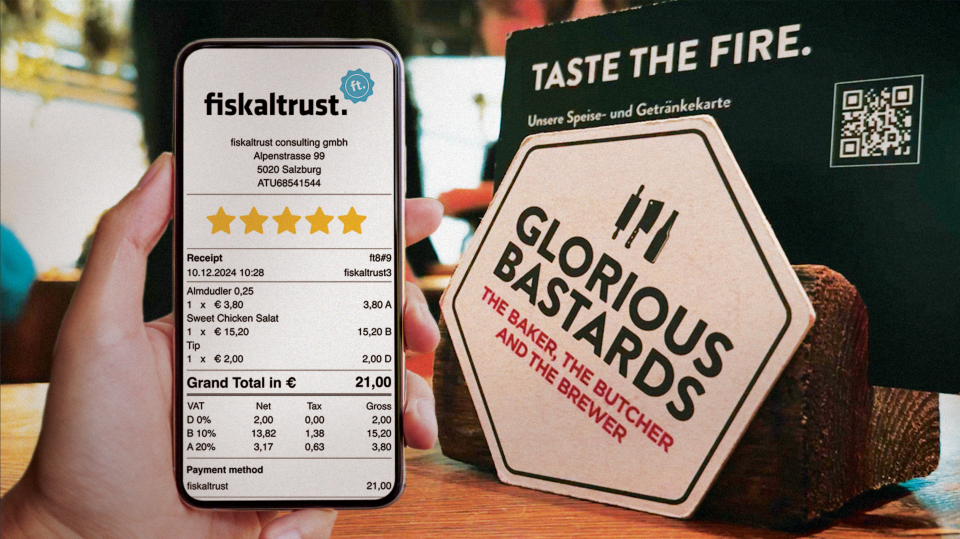
Some changes happen quietly. No launch event, no banners, no QR codes on coasters. At Glorious Bastards in Salzburg, digital receipts arrived without fanfare. Guests sat down, ate their meals, paid with a card or phone, and saw the receipt appear on their screen a few seconds later. No paper. No waiting. No mess in your wallet or handbag.
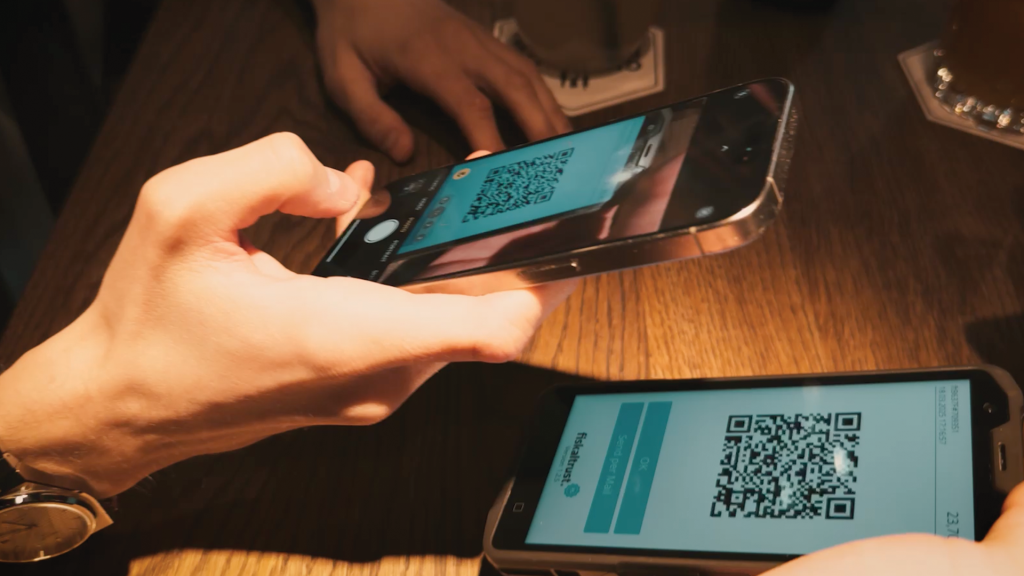
The team didn’t make a big deal of it, either. For them, it was the next logical step. The restaurant already had digital menus and accepted mobile payments. Adding digital receipts was not a leap, it was a small move forward.
Benefits for Staff
It made daily work easier. One device now handles everything like ordering, payment, and receipt generation. No more running to printers. No paper rolls to change. No error-prone manual steps. Less fuss means more time to focus on guests.
One waiter said it clearly: “Now I just carry one tool. I don’t think about printing, I just focus on the people.” Another mentioned that it made their job feel lighter, because there’s simply less to manage.
Benefits for Guests
And the guests? Business visitors liked how they could scan or save receipts straight from their phones, then forward them to their accountant. No folders and no paperwork. Private guests liked that there was no crumpled papers in their coat pocket. No scanning, no photo cropping, no fading ink. Just tap, save, and done.
The Bigger Picture: Sustainability
There’s also the bigger picture. A paper receipt might feel small, but it comes at a cost. Trees, energy, shipping, waste. Going digital helps cut all of that. It’s one less thing thrown away. Glorious Bastards saw this as a way to do something good without adding complexity. Their industrial design, digital setup, and clientele already pointed in this direction. This change just fit.
A manager put it like this: “Some older guests still ask for a printed copy, and we help them with that. But younger people are already used to digital. This is where things are going.”

Across Europe, that shift is already underway. Restaurants, cafés, and shops are moving away from printed receipts, not to chase trends, but because the change makes sense and it works.
Why It Pays Off for Businesses
For merchants, less paper means fewer expenses. No printers to maintain, no rolls to buy and fewer errors to correct. Accounting becomes easier. Time gets freed up. The team at Glorious Bastards moves faster, clears tables quicker and serves more guests without feeling rushed.
A staff member summed it up: “It’s simple. Faster payments, fewer mistakes. That’s good for us, and it’s good for the people we serve.”
Why Guests Prefer It
Digital receipts give people more control. You can store them safely, share them instantly, and find them later. No more digging through pockets or trying to scan a half-torn receipt.
One regular guest said she used to spend time taking pictures of receipts, cropping them, and hoping the image was good enough to use. Now she doesn’t have to think about it at all.
People don’t want more apps or tools. They want simple interactions that work the first time, without slowing them down. And that’s what this does.
A City of Contrast, a Restaurant of Change
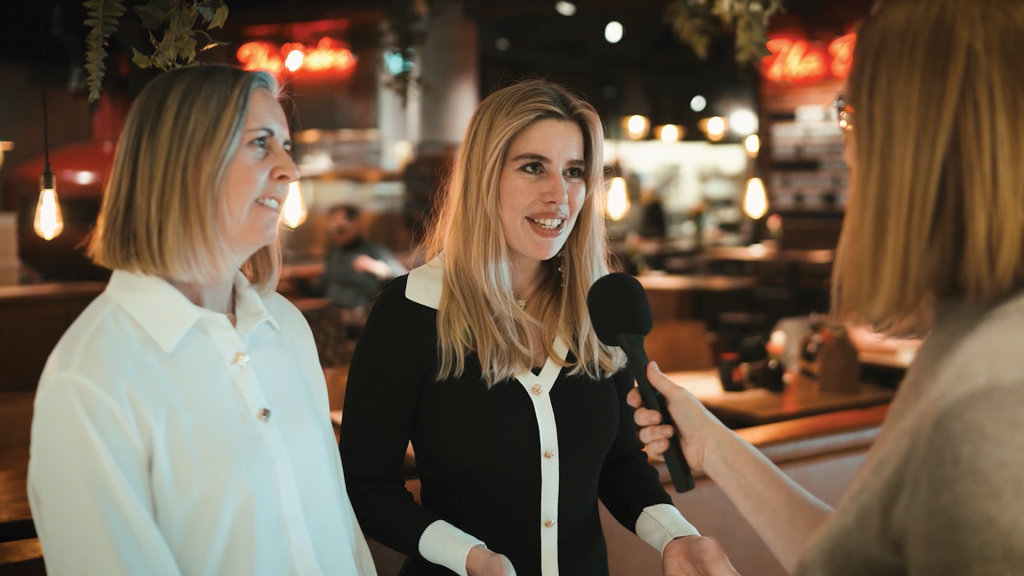
Salzburg blends old and new — baroque churches and modern ideas, mountain views and tech-forward shops. Glorious Bastards sits right in the middle of that. It shows that change does not need to shout. It can be quiet, useful and human.
Digital receipts are not about chasing innovation for its own sake. They are about reducing friction. About giving people a better experience and giving staff a break from repetitive tasks.
What We Learned
The story of Glorious Bastards is not about technology. It’s about making things better for everyone involved. Guests, staff, managers and even the environment. The receipts are digital, yes, but the benefit is human.
No loud slogans were needed. It worked quietly and it worked well. That is enough.
Watch the video:
What Is the fiskaltrust Digital Receipt Solution?
The fiskaltrust Digital Receipt is a way to stop printing receipts on paper. It creates digital receipts directly from the cash register system. These receipts are stored safely and can be shown to the customer using a QR code, a URL link, or inside an app.
The system works across several countries with one setup and one contract. It meets the legal rules for receipts in each country and developers can access receipts through an API. Merchants do not need extra hardware to use it.
Why Is This Useful?
Paper receipts cost money, take up space, and are easy to lose. Most people throw them away right after leaving the shop. With digital receipts, the receipt is always saved and easy to find.
Shops no longer need to print anything. Customers can get their receipt by scanning a QR code or clicking a link. Developers can connect this to loyalty apps or accounting systems. The system is ready to use and the connection is stable and simple. For merchants, this saves time and helps with bookkeeping. For customers, it makes returns easier and cuts down on waste.
Why Does This Matter?
Every year, Europe prints billions of receipts. Most are thrown away in seconds. Making all that paper uses as much energy as running tens of thousands cars every day or flying hundreds of thousands round trips between Paris and New York yearly. This is a big waste for something that ends up in the bin.
We already have a working system that replaces paper. It is more secure, easier to manage, and better for the environment. The only thing stopping change is habit and slow laws. The question is not if digital receipts work. They do. The question is when we will stop wasting paper.